 Nothing found for the request


 Gaming software
 Platforms
 Sports betting
 Equipment
 Services
 Traffic
 Payment solutions
 Other products
 Additional Software
How to Start an Online Casino in Australia: A Practical Guide
Sologe December 9, 2025
Share:


Starting an online casino as an Australian business owner is possible, but not in the way most people imagine. Local law blocks operators from offering online casino games to Australian residents, yet it doesn’t stop Australians from building platforms for overseas players. That’s why many entrepreneurs shift their focus to offshore jurisdictions, international markets, and ready-made casino software. The process still has plenty of moving parts, from licensing and payment systems to the actual game library, but with the right approach it becomes far less overwhelming.
Is It Legal to Start an Online Casino in Australia?
Technically, yes – but not for Australian players. That’s the short version. Under federal law, specifically the Interactive Gambling Act 2001, it’s illegal to offer most types of online gambling services to people located in Australia. So if your goal is to launch a casino that targets local users, you’re out of luck. But here’s where it gets interesting: the law doesn’t prevent Australian citizens or businesses from owning or operating online casinos as long as they’re aimed at users overseas. It’s a loophole, but a legal one.
This is why a lot of Australian entrepreneurs end up running offshore operations. You can base your company locally, apply for a license in a more casino-friendly jurisdiction like Curaçao or Malta, and legally serve players in other parts of the world. Just don’t accept bets from Australians – or any country that’s asked not to be targeted – and you stay on the right side of the law. It’s a narrow path, but for the people who walk it carefully, it works.
Offshore vs Local: What Are Your Options?
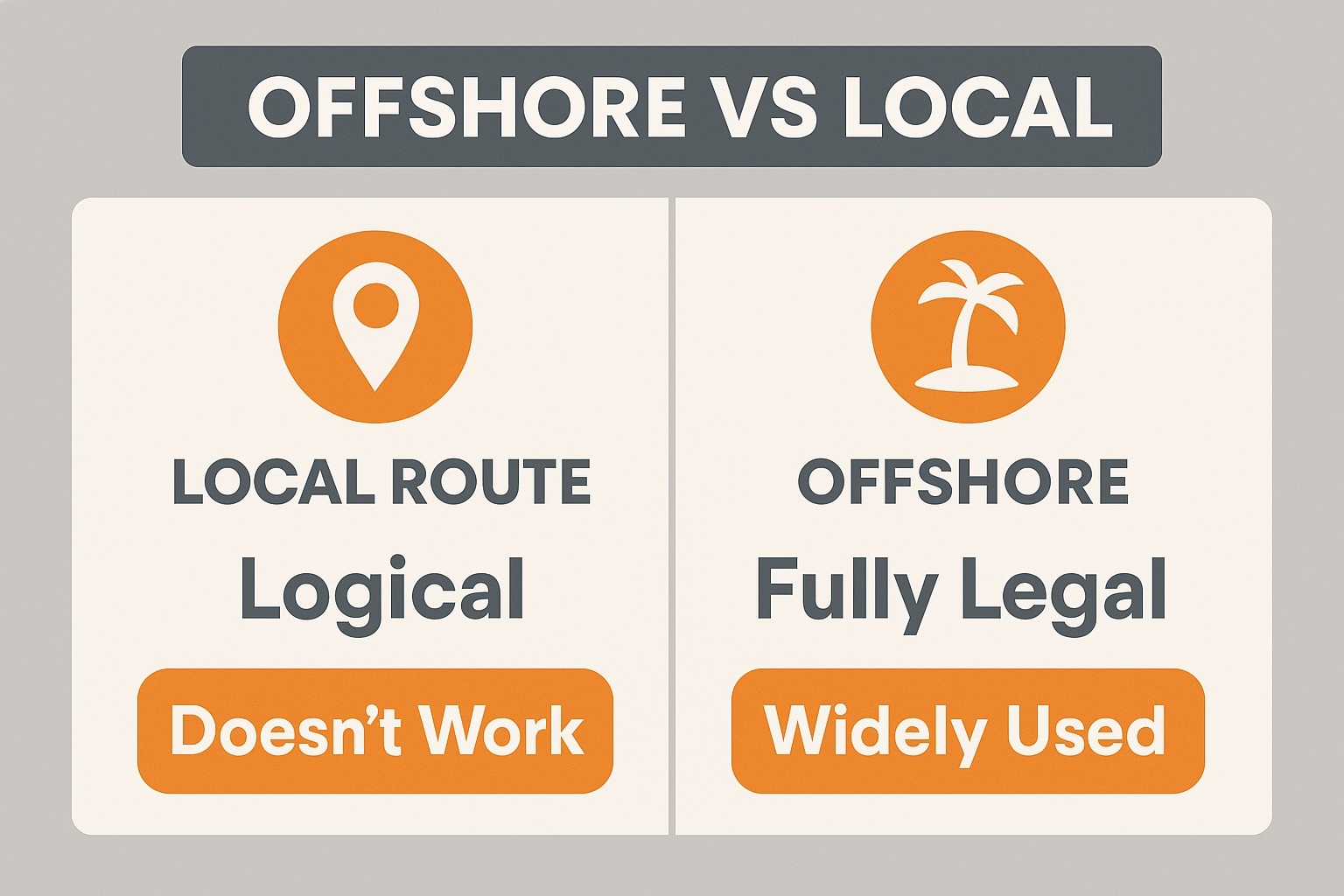
If you’re based in Australia and looking to launch an online casino, you’ll run into one big reality early on: setting up locally just doesn’t work. The law makes it nearly impossible. That’s why most people go offshore – because it’s not just easier, it’s actually the only option that works.
The Local Route: Looks Logical, Doesn’t Work
At face value, setting up a business in your own country seems like the straightforward way to go. But in the case of online gambling, that logic breaks down quickly.
- Australian law blocks online casinos from offering real-money games to local users.
- There’s no license available for online casinos targeting the domestic market.
- Since 2023 it is completely prohibited to advertise interactive gambling services (including offshore casinos) in Australia or to Australian residents, regardless of the target audience.
- Heavy penalties apply if you take local players, even unintentionally.
Unless you’re trying to operate a licensed sports betting business under tight rules, the local path is basically closed off.
The Offshore Model: Fully Legal, Widely Used
Offshore setups aren’t a loophole – they’re the standard model for most online casinos. You base your operations in a country that actually allows online gambling and serve players where it’s legal.
- Jurisdictions like Curaçao, Malta, or the Isle of Man actively issue gambling licenses to international operators.
- These licenses give you access to trusted software providers, payment systems, and affiliate networks.
- You stay legal as long as you avoid banned countries and don’t market to Australians.
This is how most Australian-led casino projects are built – offshore structure, international focus, clear legal boundaries.
What Makes Sense?
The short version: local looks safe, but isn’t functional. Offshore looks complicated, but actually makes everything possible. If you’re serious about entering the online casino space from Australia, offshore is your starting point – not a backup plan.
Choose a Licensing Jurisdiction
Picking a jurisdiction for your gambling license isn’t just a paperwork thing – it sets the tone for how your business runs. Some countries offer fast, affordable licenses with minimal hassle. Others take longer, cost more, but come with a stronger reputation. It really comes down to your goals, your budget, and where you plan to attract players.
If you’re just getting started, Curaçao is one of the go-tos. It’s relatively quick, low-cost, and still accepted by most software and payment providers. Malta, on the other hand, is known for being more rigorous. It takes more time and money to get approved, but you’ll earn more credibility in tightly regulated markets. There’s also the Isle of Man, Kahnawake (Canada), and even newer players like Anjouan stepping in as alternatives – each with its own quirks and benefits.
The key is to look beyond the paperwork. A license isn’t just a legal formality – it’s what unlocks your partnerships with game providers, payment processors, and affiliates. Without it, you’re dead in the water. With the right one, you’re in business.
Build the Core: What Your Casino Platform Actually Needs
Once you’ve got licensing on track, your platform becomes the heart of the operation. This is where players spend their time, so it’s got to work smoothly, look sharp, and handle a lot behind the scenes. A clunky or half-baked setup won’t just annoy users – it’ll bleed money. Here’s what to lock in from day one:
- Stable backend that doesn’t fall apart under pressure: Your casino will run 24/7, and downtime is brutal. Pick a platform that’s proven to handle real traffic without falling over when users actually show up.
- Responsive, mobile-ready frontend: Most players won’t be on desktops. Your site needs to load fast, look good, and feel native on phones and tablets. Lag or layout glitches? People bounce.
- Game integration via API: You’ll want access to hundreds (or thousands) of slots, table games, and live dealers. A proper game aggregator lets you plug in once and pull from top providers like Evolution, Pragmatic Play, and others without separate contracts.
- Flexible user management and reporting tools: You’re not just running a site – you’re running a business. That means tracking player behavior, handling bonuses, managing KYC, and keeping your team in the loop.
- Multi-language and multi-currency support: If you’re going global, your platform should adapt. Players expect local currency options, preferred payment methods, and an interface in their native language.
Skip any of these, and you’ll notice fast – either in support tickets, dropped users, or conversion rates that never take off. Treat the platform like your storefront, your cashier, your security team, and your marketing dashboard – all in one.
Secure Payment System Integration
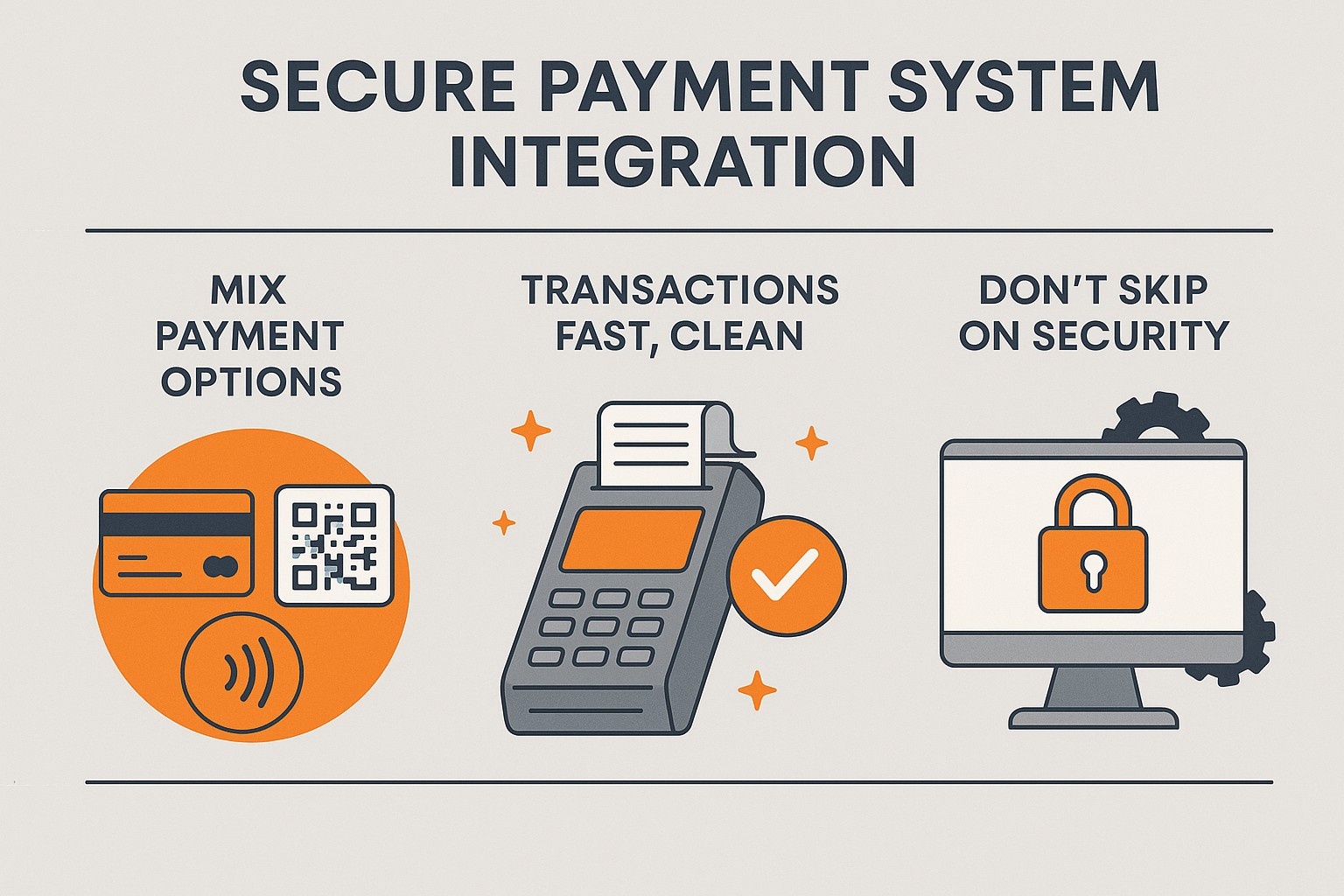
Getting players to sign up is one thing. Getting them to deposit – and trust your platform with their money – is something else entirely. Payment systems aren’t just a technical plug-in; they’re part of the user experience, the business model, and your compliance responsibilities. Mess this up, and word spreads fast.
1. Offer a Mix of Payment Options
Not everyone pays the same way. Some prefer traditional cards or bank transfers, others go straight for e-wallets or crypto. If you’re targeting players in different countries, you need to meet them where they are.
- Support both fiat and cryptocurrency
- Include popular global options (Visa, Mastercard, Skrill, Neteller)
- Add region-specific methods (PIX in Brazil, GCash in the Philippines, etc.)
The more payment methods you offer, the wider your reach – and the fewer deposits you lose at the final step.
2. Make Sure Transactions Are Fast and Clean
Delays and failed deposits are the quickest way to lose trust. Players expect payments to work immediately, without weird pop-ups, long wait times, or vague error messages.
- Prioritize payment providers known for reliability
- Test everything, especially on mobile
- Display processing times and currency conversions clearly
Nothing creates support headaches like mystery holds or hidden fees.
3. Don’t Skip on Security and Compliance
Payment systems are one of the biggest targets for fraud. That means you need tools in place for anti-fraud checks, identity verification, and transaction monitoring. But don’t go overboard – players hate jumping through endless hoops.
- Use providers with built-in anti-fraud protection
- Make KYC smooth, not painful
- Stay compliant with AML/CFT regulations, especially if you’re licensed offshore
Done right, your payment setup should feel invisible to the player – but solid enough to keep your business safe.
Build and Design Your Casino Website
Your website is where first impressions happen – and in the online casino world, that’s everything. Players land, scan, and decide in seconds whether it feels legit. You don’t need over-the-top animations or flashing banners. What matters more is clarity, speed, and ease of use. The layout should be clean, the navigation intuitive, and the whole thing should work just as well on mobile as it does on desktop. If someone can’t figure out how to register or find the games within ten seconds, you’ve already lost them.
Beyond usability, your brand needs to feel like it belongs. That comes down to visuals, tone, and structure. A site that looks generic or clunky won’t inspire trust – no matter how good your games are. Invest in a design that reflects your market, your audience, and your vibe. If you’re aiming at multiple regions, make sure you’re set up to localize languages, currencies, and even design styles. A strong casino website doesn’t just function well – it feels deliberate, familiar, and built with real people in mind.
Develop a Marketing and Retention Strategy
Getting players through the door is one thing. Keeping them around – and giving them a reason to come back – is where the real work begins. A solid marketing strategy isn’t just about buying traffic or throwing promo codes at random users. It’s about building trust, creating habits, and making your platform feel like the place to be.
Start with the basics: an affiliate program that actually rewards performance, not just clicks. Affiliates are your on-the-ground sales force, especially in regions where paid ads are tricky. Beyond that, loyalty programs and VIP systems go a long way in making players feel valued. Not every user needs fireworks, but most will stick around for consistent perks, cashback, or tiered rewards that feel personalized.
Email campaigns, smart push notifications, and targeted bonuses can nudge inactive users without being annoying. And don’t forget the obvious: players talk. Word of mouth still works, but only if the experience delivers. Retention isn’t about locking people in – it’s about giving them zero reasons to leave.
How Much Does It Cost to Start?
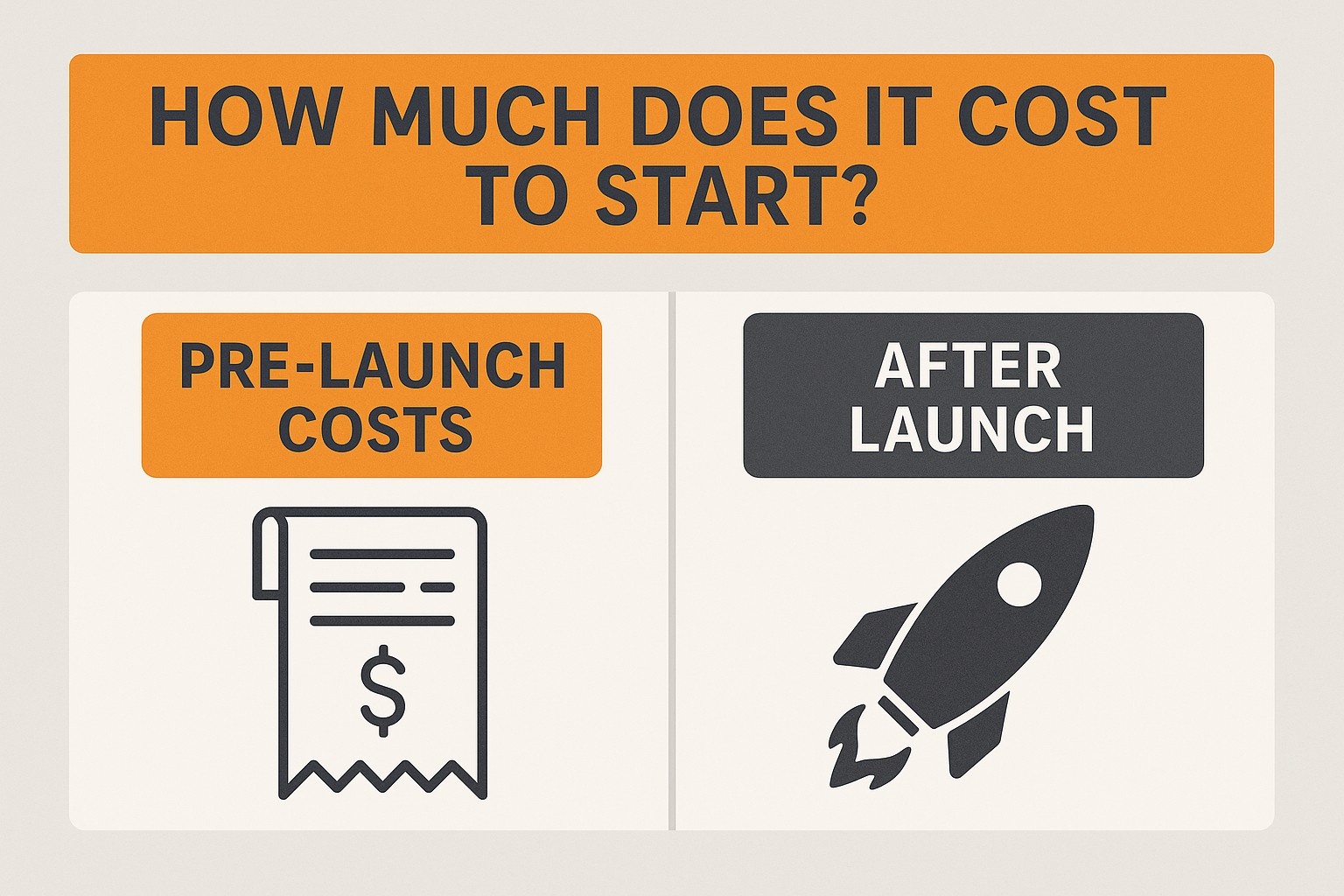
There’s no fixed price tag for launching an online casino – it depends on how you build it, what markets you target, and how polished you want things to be out of the gate. Some operators go lean with white-label setups, others go full custom from scratch. But either way, there are a few core areas where you’ll need to budget smart.
Pre-Launch Costs: Where Most of the Money Goes
Most of your early spending happens before your site ever goes live. That includes:
- Software and platform setup: Licensing game content, integrating payment systems, and building a frontend can eat up 30-40% of your initial budget – more if you’re going custom.
- Marketing and acquisition: You’ll need traffic, and traffic isn’t cheap. Affiliate deals, promo campaigns, SEO, and paid media usually take up another 30-40% of the launch budget.
- Licensing, legal, and admin: Depending on the jurisdiction, expect to spend 10-20% on your license, compliance help, and core business setup (company registration, banking, etc.).
After Launch: Ongoing but Smoother
Once you’re live, monthly costs settle a bit, but they don’t disappear. You’ll still need to fund:
- Game provider fees and platform maintenance
- Affiliate payouts and retention promos
- Customer support and compliance updates
- Occasional dev work for new features or bugs
Some costs shrink over time. Others – like marketing – don’t. That’s just part of the game. What matters most is making sure your early investment lines up with a real, long-term strategy – not just a flashy launch.
Conclusion
Starting an online casino as an Australian entrepreneur isn’t impossible – it just takes a shift in mindset. You’re not building for your backyard; you’re building for the world. The local market may be locked up tight, but offshore models give you room to operate legally, grow smart, and tap into real demand across dozens of regions. Licensing, software, payments, design – it’s a puzzle, but one that plenty of people have already solved. And if you map it out carefully, there’s no reason you can’t do the same. Just skip the shortcuts and treat it like a proper business from day one.
FAQ
1. Can I open an online casino for Australian players?
No, not legally. Australian law blocks operators from offering online casino games (like slots or poker) to local residents. You can still own and operate a casino – just not one that targets Australians.
2. Is it legal to run an offshore casino from Australia?
Yes, as long as you follow the rules. You can register your business in Australia and operate offshore with a proper gambling license, but you must avoid offering services to banned countries, including Australia.
3. How long does it take to launch a working casino site?
With a white-label solution, it can be done in a few months. If you’re building from scratch or going fully custom, expect longer timelines – especially around licensing and software integration.
4. Can I accept crypto payments in my casino?
Most offshore licences still allow crypto, but since June 2024 Australian licensed wagering operators are legally prohibited from accepting cryptocurrency from Australian residents. Accepting crypto from Australian IP/VPN players creates very high compliance risk and can lead to immediate blocking of the site in Australia.
Related Articles

March 17, 2026Los principales eventos de afiliados del...
March 17, 2026Крупнейшие мероприятия в сфере игорного...