 Nothing found for the request


 Gaming software
 Platforms
 Sports betting
 Equipment
 Services
 Traffic
 Payment solutions
 Other products
 Additional Software
How to Start an Altcoin Casino: Your Step by Step Guide
Sologe December 9, 2025
Share:


Starting an altcoin casino sounds exciting, but the real work happens long before the first player places a bet. You’re dealing with crypto payments, licensing rules, software decisions, and a niche audience that expects things to run fast and smoothly. The good news is that you don’t need to reinvent the wheel to get started. Altcoin casinos follow many of the same principles as regular crypto casinos, but with a broader range of supported currencies and a slightly different player profile.
This guide walks you through the essentials in a simple, down to earth way. No hype, no exaggerated promises, just a realistic look at what it takes to build an altcoin casino that actually works in today’s market. Let’s break it down step by step.
What an Altcoin Casino Actually Is
An altcoin casino is basically a crypto casino that supports more than just Bitcoin. Instead of relying on a single currency, your platform accepts a mix of cryptocurrencies so players can deposit, wager, and withdraw using the coin they prefer. That might sound like a small difference, but behind the scenes it means your system needs to handle multiple blockchains, each with its own speed, fee structure, wallet logic, and compatibility requirements.
The easiest way to think about it is this: an altcoin casino is a regular online casino combined with a multi chain payment system. You become the middle point between game providers, blockchain networks, payment processors, and players who want everything to feel quick and reliable. Once you understand that you’re really building several tools that work together, the planning becomes a lot easier.
Why Altcoins Matter in Online Casinos
The popularity of altcoins in gambling didn’t appear out of thin air. People are choosing them because they solve different problems for different types of players. Many altcoins settle payments almost instantly, which makes them ideal for casino deposits and withdrawals. Others offer extremely low fees, which is a big upgrade from traditional banking methods that can charge several percent per transaction. Privacy focused coins like Monero appeal to some players, but operators must note that they are restricted or banned by most reputable licensing jurisdictions due to AML (Anti-Money Laundering) compliance requirements.
Another reason altcoins matter is that they attract a younger audience. These users are active in crypto communities, they follow blockchain trends, and many of them already hold several coins in their wallets. If your casino supports the tokens they already use, the experience feels natural and friction free. That’s a strong starting point for building trust.
Step by Step Guide to Starting an Altcoin Casino
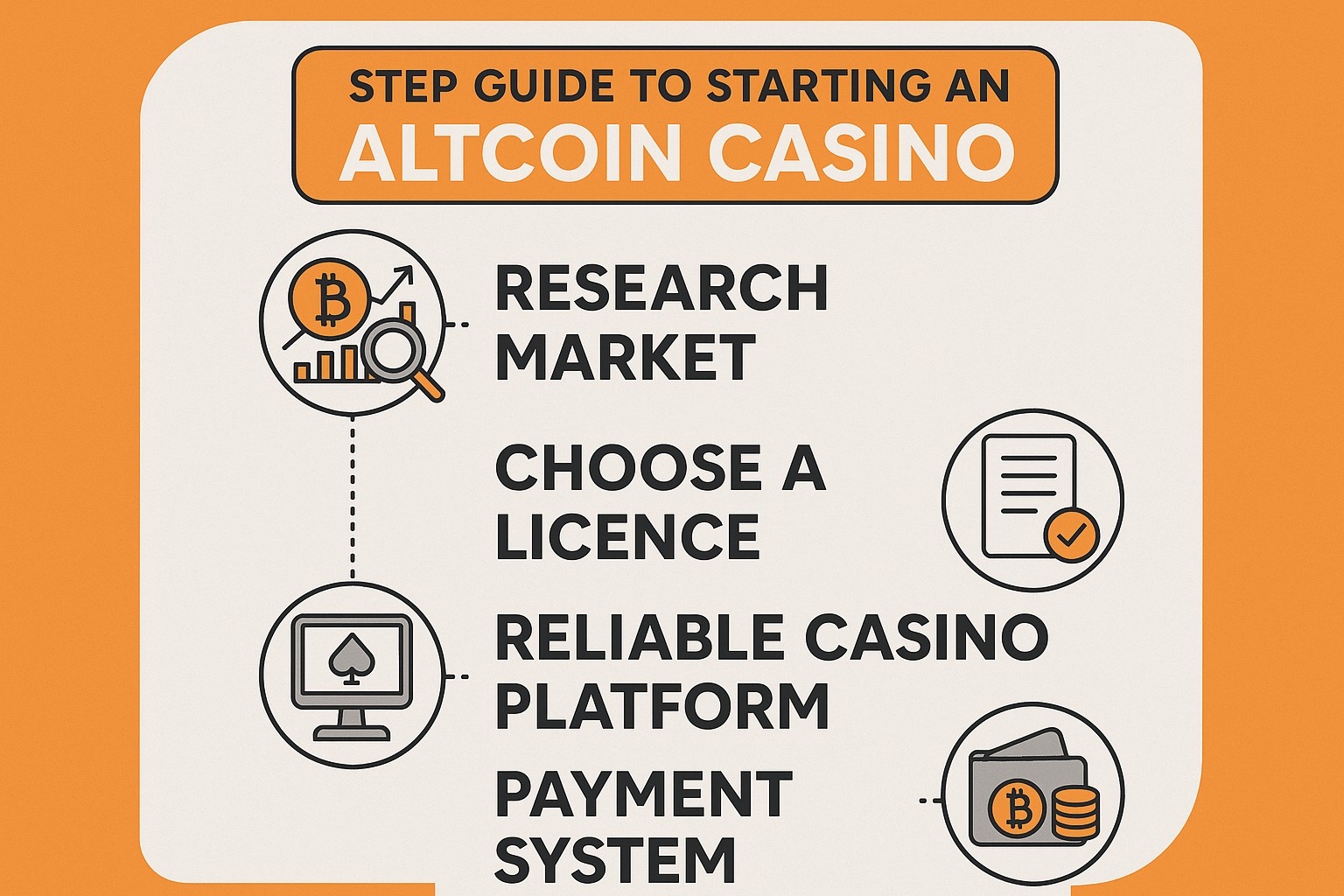
Below is a practical, real world breakdown of everything involved.
Step 1: Research the Market and Your Audience
Before you write a single line of code or choose a provider, you need to understand who you are building for. Altcoin players behave differently from traditional casino users. They expect faster onboarding, cleaner UX, and immediate payouts. They spend time in places like crypto forums, Telegram groups, Discord servers, Reddit crypto threads, and niche gambling communities.
Spend time observing these spaces. Pay attention to which coins players prefer in different countries, what games they talk about, and how picky they are about wallet confirmations or withdrawal wait times. Research how crypto is regulated in your target regions and whether users tend to play on mobile or desktop. The more clarity you have now, the easier everything becomes later.
Step 2: Choose a Licence That Works for Crypto
Your casino needs a licence, not just for legal operation but to work with legitimate payment processors and reassure players that you’re not running a fly by night setup. Not all jurisdictions support crypto gambling, so you need one that understands digital assets and provides clear rules without unnecessary complexity.
A practical licence is far more valuable than an expensive one. Look at jurisdictions that already work with crypto operators. Make sure the licensing process doesn’t treat every single altcoin as its own regulatory category, because that will slow you down and make operations frustrating. A straightforward, flexible licence is what you want.
Step 3: Pick a Reliable Casino Platform
Choosing the right software provider is one of the biggest decisions you’ll make. Supporting altcoins is not something every platform does well. You need a system that can generate unique deposit addresses, track confirmations, manage internal wallets, handle conversions for games that don’t support crypto directly, and integrate smoothly with your payment processor.
Talk to providers openly and ask direct questions. How many altcoins do they support today? How many are coming soon? Can players deposit using a coin like Litecoin and still play a fiat only game without noticing the conversion process? How does the system behave during congestion on networks like Ethereum or Solana? The clearer their answers, the more confident you can be in their experience.
Step 4: Build a Payment System for Multiple Altcoins
Payments are the heartbeat of any casino, and with altcoins, they matter even more. Players expect their deposits to appear almost instantly, and they expect withdrawals to be processed quickly without confusion or delays.
Most altcoin casinos integrate a third party payment processor instead of building everything themselves. Doing so gives you access to fast wallet generation, automated confirmations, risk controls, and straightforward withdrawals. It also means you don’t have to run your own multi chain wallet infrastructure, which would be a full time job on its own.
Altcoins bring three major benefits: lower fees, faster transactions, and no chargebacks. That’s why players like them, and why casinos that handle them well tend to grow faster.
Step 5: Select Crypto Friendly Games
Here’s something new operators often miss when planning their launch: not every game provider supports altcoins. Some studios work only with Bitcoin, a few accept Ethereum, and many still operate exclusively in fiat. Because of that, you need a setup that covers both direct crypto gameplay and everything else on your platform.
Start by offering games that are already built to accept altcoin wagers. These usually come from crypto aware studios and include:
- Popular slot titles adapted for crypto play
- Crash style games that work naturally with digital assets
- Plinko and other simple probability games
- Table games like blackjack and roulette
- Selected live casino games designed with crypto support
Even with a strong lineup, you still need a conversion system for providers that don’t accept crypto directly. This lets players deposit with any supported altcoin and still access your full library without noticing anything happening behind the scenes. The system converts balances into a format the game can understand, handles the wagers, and converts everything back on the way out. From the player’s perspective, it feels seamless and consistent.
Step 6: Design a Casino That Fits a Crypto Audience
Crypto users respond strongly to clean, modern design. They’re used to polished financial apps, so your casino UI needs to match that level of quality. Simple navigation, muted colors or dark themes, and fast loading pages make a big difference. Wallet balances should be easy to find, deposit buttons should be obvious, and the whole experience should feel light and smooth, not cluttered or heavy.
Mobile design matters too, since many crypto users play on their phones while checking markets or chatting in Telegram groups. A clean mobile layout makes your platform feel more trustworthy immediately.
Step 7: Manage Volatility and Blockchain Behavior
Altcoin prices move constantly, and this affects both players and operators. When markets drop, players may rush to withdraw or switch to stablecoins. When markets pump, they may deposit more or chase bigger bets. You need a balanced approach that keeps your casino stable regardless of what the market is doing.
It also helps to monitor blockchain congestion. While Ethereum’s Layer 1 can see high fees, most modern operators mitigate this by prioritizing Layer 2 solutions or stablecoins on networks like Tron or Litecoin, which maintain high transaction speeds. Understanding these patterns lets you prepare for delays, update limits, or adjust your messaging so players aren’t caught off guard.
Step 8: Build a Balanced Compliance Setup
Even though crypto casinos often feel more flexible than fiat casinos, you still need a realistic compliance system. This doesn’t mean turning your site into a wall of paperwork, but it does mean having clear KYC triggers, fraud detection, AML checks, and simple self exclusion tools.
Players don’t mind light verification when it’s handled clearly and fairly. What they do mind is uncertainty. A balanced compliance setup protects your business without damaging the user experience.
Step 9: Create a Marketing Plan That Reaches Crypto Users
Marketing an altcoin casino works nothing like promoting a traditional online casino. The usual tools don’t get you far because crypto users spend their time in completely different places. They rarely browse big affiliate portals and they scroll past generic casino ads without a second thought. Instead, they hang out in communities that move fast, share opinions openly, and value authenticity.
Crypto audiences tend to get their information from spaces like:
- Telegram and Discord channels with active discussions
- Crypto focused influencers and YouTube educators
- Niche blogs and review sites written for experienced users
- Reddit communities where players share real experiences
To reach them, your marketing has to feel honest and useful. Transparency matters more than flashy promises. Practical walkthroughs on how to deposit with different altcoins, short explanations of newly supported coins, game guides, and community updates build trust faster than any banner ad. Crypto users know the space well, so they expect brands to speak their language and show real understanding of the ecosystem.
Step 10: Plan Your Daily Operations Before Launch
Once your casino goes live, you’ll be busier than you expect. There will be support tickets, stuck transactions, player questions, game provider updates, and general maintenance. Make sure you have a process for checking deposits, verifying withdrawals, responding quickly to support messages, and monitoring server performance.
Running a casino feels a bit like running a small bank combined with a gaming platform. Both sides require attention, but once you settle into a routine, it becomes manageable and predictable.
Tips From the Field: What Helps an Altcoin Casino Grow
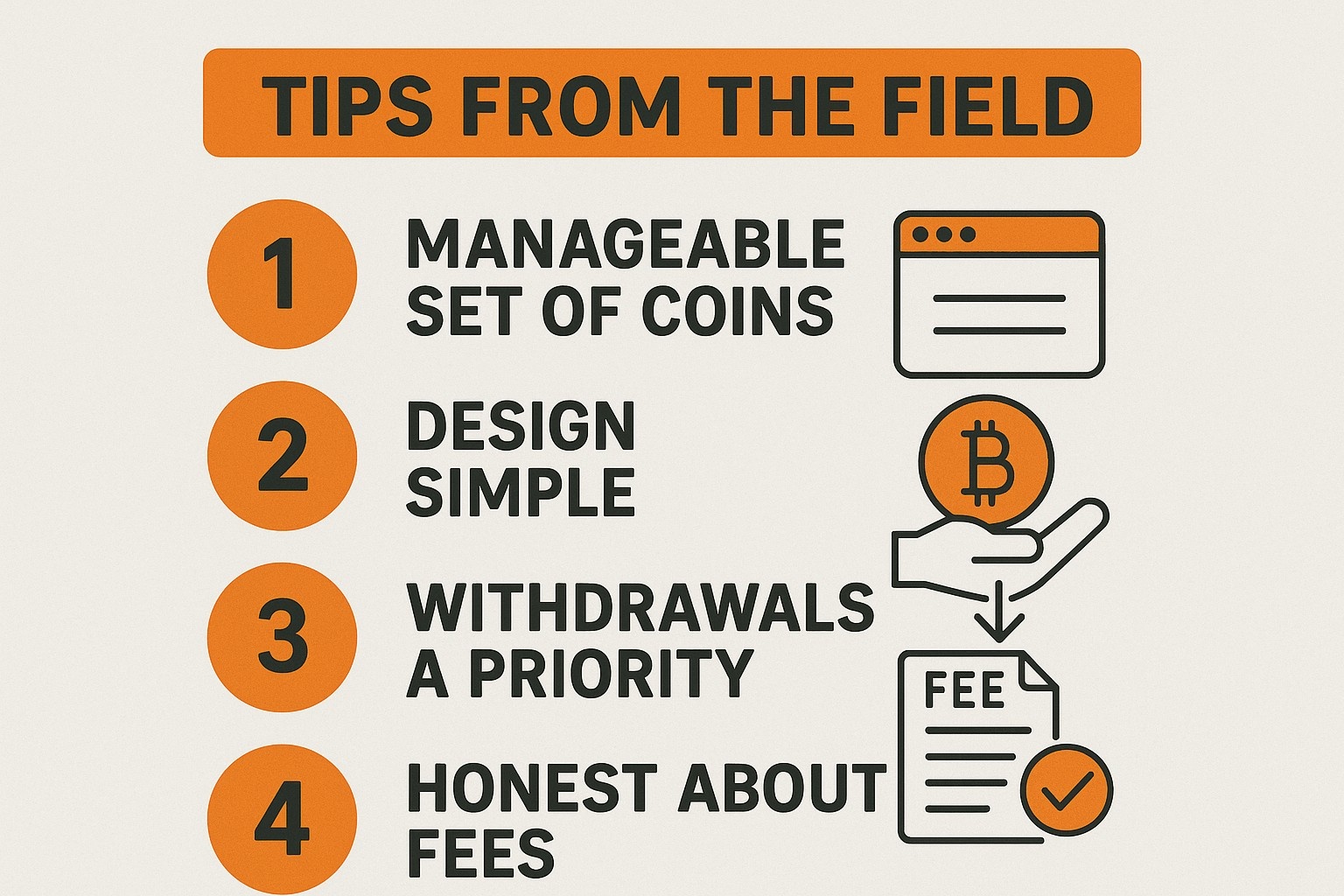
Start With a Manageable Set of Coins
One thing operators learn quickly is that supporting too many altcoins at launch can overwhelm your system. It’s much better to start with a tight handful of well established coins, make sure your payment flow is rock solid, and expand only when everything runs smoothly. This keeps your operation stable and prevents unexpected technical headaches.
Keep the Design Simple and Fast
Crypto users have zero patience for messy layouts or slow loading pages. A clean interface with quick navigation makes them feel comfortable right away. If your site looks modern and responds instantly, you’ve already won half the battle before they place a single bet.
Make Withdrawals a Priority
Nothing builds trust faster than fast withdrawals. When players see their coins arrive in minutes, they mentally label your casino as reliable. When payouts drag or require repeated explanations, they leave and never return. Speed here is more than a feature. It’s a reputation builder.
Be Clear and Honest About Fees and Delays
Blockchain congestion, network fees, or provider hiccups happen to everyone. What separates good operators from bad ones is transparency. If you communicate openly about what’s going on, players tend to be patient. If you hide things or stay silent, they assume the worst.
Test Your Payment Flow Constantly
Payments are the backbone of an altcoin casino, so regular testing is essential. A small change in a blockchain network or a processor update can break part of your flow without warning. The more often you test, the less chance anything slips through unnoticed.
Focus on Community, Not Just Ads
Traditional casino marketing doesn’t work well with crypto audiences. What does work is community. Being active in Telegram groups, responding to players on Discord, sharing updates, and treating users like real people builds loyalty in a way banners never will. When players feel connected to the brand, they stick around.
Earn Trust Through Consistency
Players don’t stay because of flashy bonuses. They stay because the platform works every time they use it. When deposits appear quickly, withdrawals arrive without drama, and the site keeps feeling stable, players automatically return. In this space, trust is your strongest long term asset.
Conclusion
Starting an altcoin casino takes planning and patience, but it’s absolutely realistic if you approach it step by step. The key is understanding the audience, choosing software that can handle multiple blockchains, and building a payment system that feels smooth from the moment a player arrives. Treat it like a real business, not a quick project, and you’ll be in a much better position to succeed. Stay flexible, listen to your players, and keep improving. That’s how altcoin casinos thrive.
FAQ
Is it legal to start an altcoin casino?
Yes, but the rules depend on where you plan to operate. You’ll need a licence from a jurisdiction that supports cryptocurrency gambling. Some regions are more crypto friendly than others, so it’s important to choose a licence that aligns with your business model.
Do I need a different licence for each altcoin?
No. Generally, the licence applies to your entire operation, not individual currencies. What matters is that the jurisdiction you choose allows crypto based gambling and doesn’t restrict the specific coins you want to support.
How many altcoins should I support at launch?
Start small. Most operators begin with a few widely used coins such as Ethereum, Litecoin, Dogecoin, or USDT. You can always add more once your payment flow is stable and you’re confident your system handles multiple blockchains smoothly.
Can players use altcoins on games that don’t support crypto?
Yes, if your platform includes an internal conversion system. This tool converts altcoins into a format the game provider accepts, then converts back when the session ends. From the player’s perspective, it feels seamless.
Do altcoin casinos require KYC?
Usually yes, at least at certain thresholds. Even though crypto feels more anonymous, licensed casinos still need to follow basic compliance rules. Many platforms let players deposit and explore freely but require KYC for larger withdrawals.
Related Articles

March 17, 2026Los principales eventos de afiliados del...
March 17, 2026Крупнейшие мероприятия в сфере игорного...