 Nothing found for the request


 Gaming software
 Platforms
 Sports betting
 Equipment
 Services
 Traffic
 Payment solutions
 Other products
 Additional Software
How to Start an Online Casino Business: A Practical Beginner’s Guide
Sologe December 8, 2025
Share:


A clear, useful guide that walks you through the steps, requirements, and tools needed to launch a successful online casino business.
Starting an online casino sounds exciting, but the real process is more structured than many people expect. It’s a mix of planning, legal work, technology choices, and a whole lot of decision-making that you can’t rush. The good news is that you don’t need to be a lifelong industry expert to get it right. You just need a clear roadmap, an understanding of how this business actually works behind the scenes, and a grasp of which steps matter most at the beginning.
In this guide, we break down the essentials in plain language, focusing on what operators actually deal with every day: licensing, software, payments, player experience, and long-term sustainability. No fluff, no hype, just a realistic look at what it takes to build a casino brand that can stand on its own. Let’s get into it.
Start by Getting a Clear Picture of Today’s Market
Before you spend a dollar on software or licenses, it helps to understand the environment you’re stepping into. The online gambling world is busy, competitive, and constantly shifting. But it’s far from “oversaturated” like people sometimes claim. New brands launch every year and carve out a niche simply by doing things better, faster, or more reliably.
The biggest difference between now and a decade ago is player expectations. People want fast, smooth gameplay on their phones. They want quick payouts. They want real-time live casino streams that don’t lag. Basically, if your platform feels even slightly outdated, they’ll move on instantly.
A bit of early research goes a long way here. Look at the countries you want to target, how strict their regulations are, which payment systems players prefer, and which game types actually perform well there. You’ll start to see a pattern of what your casino needs to offer to stand a chance. It’s not glamorous work, but it’s the foundation for everything else.
Licensing: The Part Everyone Tries to Skip, But Nobody Should
Let’s be honest, getting an online gambling license is not the fun part. It’s slow, it’s detailed, and it often feels like you’re submitting the same document ten times. But this step is absolutely non-negotiable. Without the right license, you won’t get partners, payment processors, or even access to reputable game providers.
Licenses come in different flavors. Some countries offer national licenses that lock you into a single market. Others allow broader international operation. Different regions also have different reputations. For example, some licenses are quick and cheaper but might not inspire much confidence from players. Others take longer and cost more but give your brand a strong credibility boost from day one.
Whichever direction you go, expect things like background checks, financial inspections, security audits, and a pretty thorough look at your business model. It’s all standard procedure.
If you want one piece of advice here, it’s this: plan your timeline around licensing, not the other way around. You can set up software in a few weeks, but a license might take months.
Choosing the Software That Will Run Your Casino
Think of your software provider as the engine of your entire business. It controls user accounts, payments, game integrations, bonuses, security, reporting, support tools, and just about everything else that happens behind the scenes. A good platform makes your life easier. A bad one? It never stops causing problems.
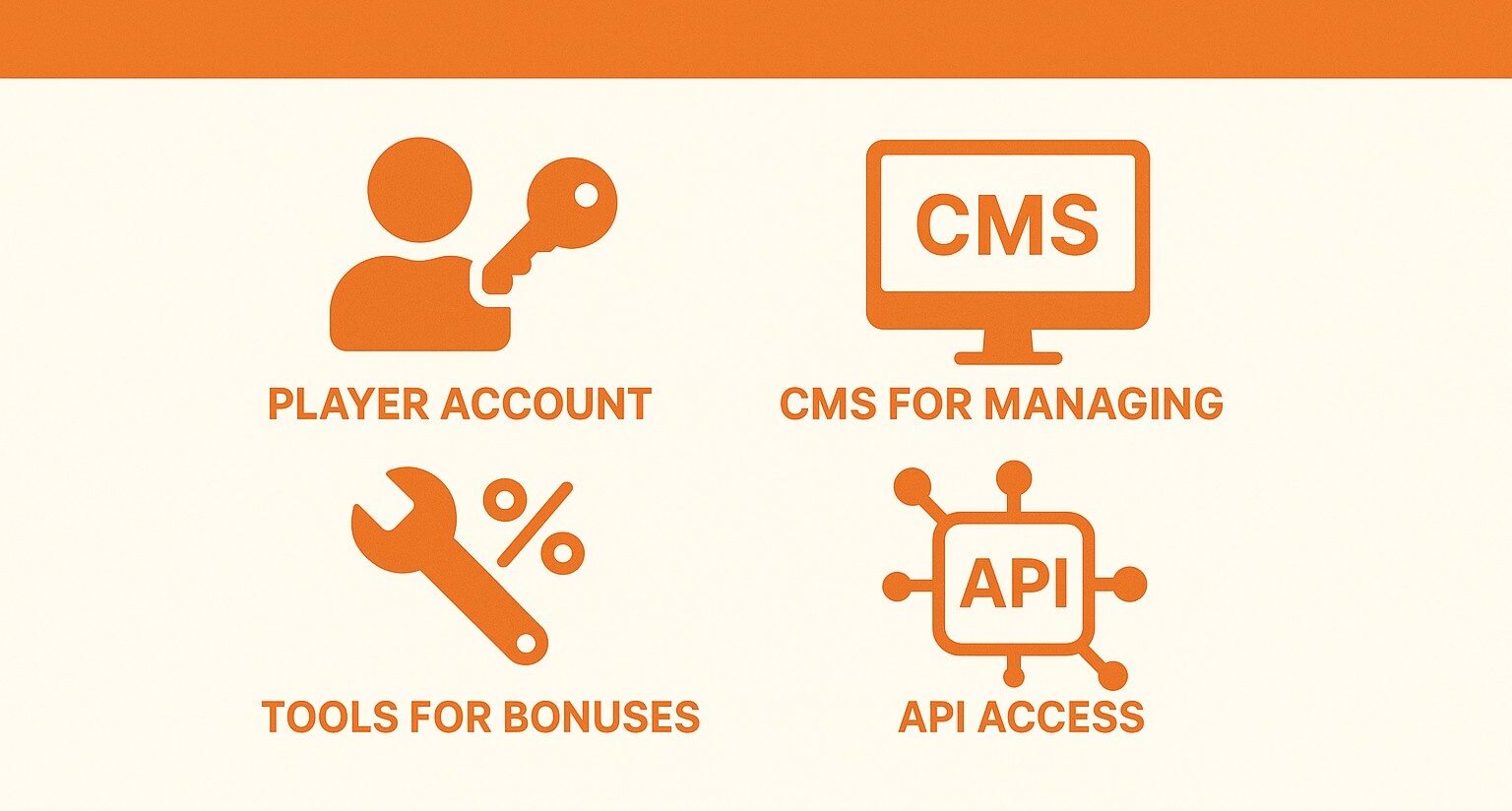
A solid casino platform usually comes with the main pieces you’ll need:
- A player account system
- A CMS for managing content
- A certified Random Number Generator (RNG)
- Tools for bonuses and promo campaigns
- Secure payment integration
- Fraud and risk monitoring
- Reporting dashboards
- Affiliate tracking
- API access
And the list goes on.
One mistake new operators make is choosing something cheap because it “looks nice”. Online casinos don’t win players with decorations. They win players with reliability. When things get busy or you have your first surge of traffic, you’ll want a platform that stays stable and doesn’t collapse under pressure.
If your provider offers a demo, absolutely take it. You’ll learn more in 20 minutes of clicking around than in reading a brochure.
Picking the Games Players Actually Want to Play
Choosing your game lineup is one of the most enjoyable parts of building an online casino, but it’s also something you shouldn’t rush. Games are the heart of the entire experience. If the selection feels dull or outdated, players won’t stick around. You don’t need thousands of options on day one, but you do need a collection that feels intentional and balanced.
Start With a Core Mix of Essentials
Most successful operators begin by covering the main categories players expect to see:
- Slots with different themes and mechanics
- Live dealer tables
- Roulette
- Blackjack
- Baccarat
- Poker variations
- Optional additions like bingo or keno, depending on your market
This gives you enough variety to appeal to different types of players without overwhelming them.
Why Live Casino Games Matter More Than Ever
Live casino content has exploded in popularity. The jump in streaming quality is a big reason for that. Players now expect real-time, low-latency video that feels almost as smooth as being in a physical casino. When the dealer deals a card or spins the wheel, the stream needs to keep up without stuttering.
If you’re planning to offer live blackjack, roulette, or game shows, pay close attention to the performance of your streaming provider. Even a one-second delay can throw off the rhythm of the game and frustrate players.
Think Long-Term With Your Game Catalog
You don’t need to add everything from day one. What matters more is choosing high-quality providers and expanding gradually as you learn what your audience prefers. A thoughtful, well-curated game portfolio always beats a huge but messy one.
Designing a Website That Doesn’t Confuse People
This is your chance to shape the personality of your casino, but it’s surprisingly easy to overdo it. A lot of new operators assume that adding heavy graphics or flashy animations will make their site look more premium. In reality, most players just want a clean layout that loads quickly and doesn’t make them hunt for basic features.
A good casino site works well on any device, feels simple to move through, and stays light enough that it doesn’t slow down on a regular mobile connection. Players should instantly understand where to sign up, how to make a deposit, and where to find the games. It also helps to keep support information and responsible gaming links visible, not buried behind menus.
If you stick to a straightforward design, people stay longer because they aren’t fighting the interface. The goal isn’t to wow them with special effects. It’s to get them into the game they want as fast as possible, without unnecessary friction.
Payments: The Part Players Judge Immediately
Payments are one of the fastest ways to win or lose trust. If deposits take too long or withdrawals get stuck, players will assume something is wrong with your casino. On the other hand, if payments are fast and smooth, they feel confident coming back.
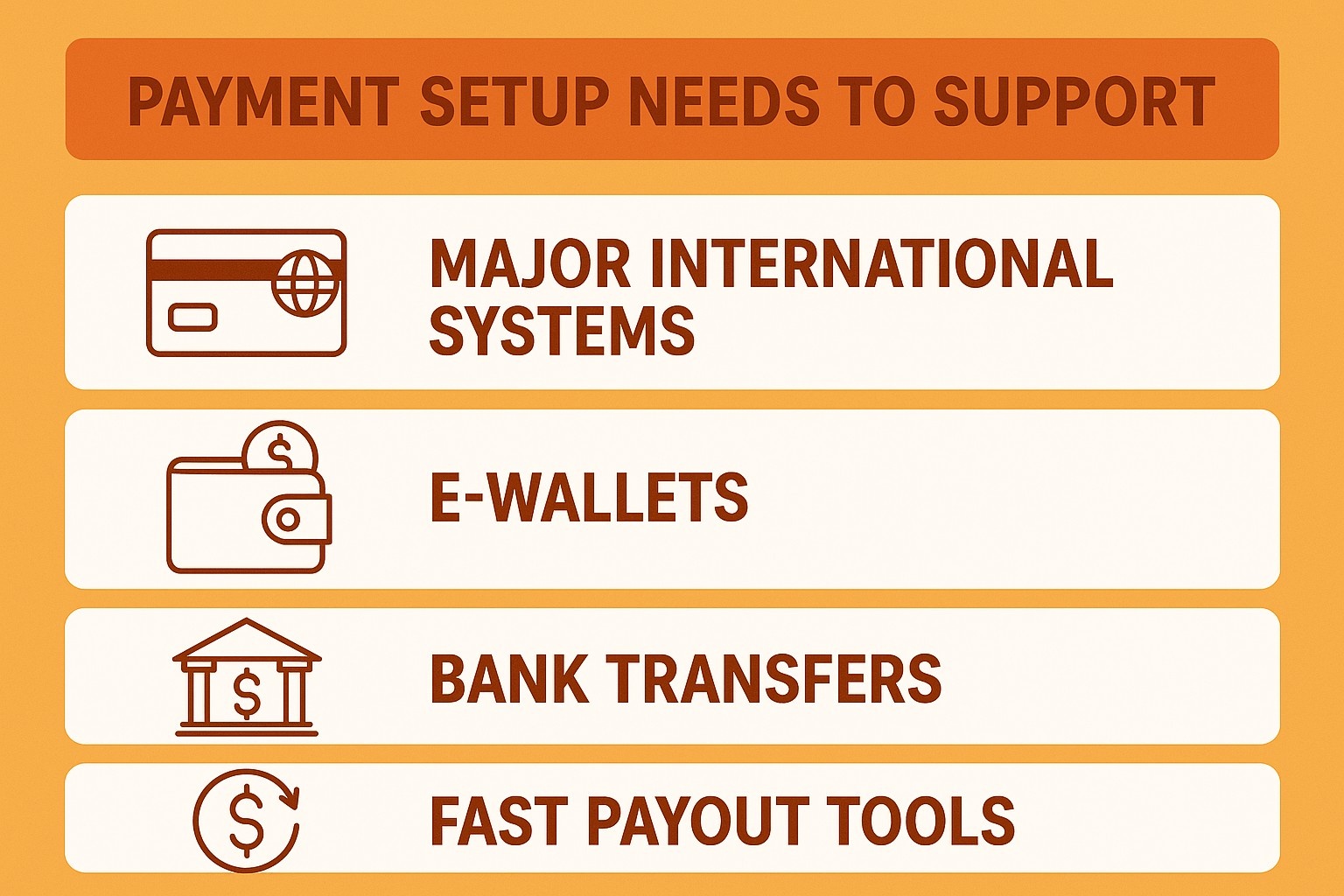
Your payment setup needs to support:
- Major international systems like Visa and Mastercard
- Region-specific payment options
- E-wallets
- Bank transfers
- Fast payout tools
- Possibly cryptocurrency, depending on the license
It’s important to choose a payment provider that truly understands iGaming, not just any online merchant service. You need strong fraud detection, compliance-friendly features, and the ability to handle large volumes of payments without delays.
Marketing Your Casino Before and After Launch
Marketing catches a lot of new operators off guard. It’s easy to assume that once the site is live, players will simply show up. They won’t. You need a strategy that works both before launch and long after your first deposits come in.
Build Awareness Before You Go Live
Pre-launch marketing matters more than most people think. If you can get players curious early, you’ll have real activity on day one instead of waiting for the traffic trickle to grow. This can be as simple as building a content hub for SEO, warming up social channels, or starting conversations in communities where gambling enthusiasts already gather.
From there, influencer and streamer collaborations help a lot. These creators already have the audience you’re trying to reach, and their word tends to carry more weight than traditional ads. You’re not buying attention. You’re borrowing trust.
Use Marketing Channels That Actually Work in iGaming
Once the casino is live, you’ll rely on a mix of SEO, affiliates, targeted ads (in jurisdictions that allow them), and consistent updates to keep players engaged. In this industry, affiliate marketing is especially strong because affiliates know how to attract qualified traffic through reviews, rankings, and comparisons. You get visibility without having to build everything from scratch.
Retention Matters Just as Much as Acquisition
One thing experienced operators know is that keeping players is much cheaper than attracting new ones. People stay loyal to casinos that treat them well. That usually means fair promotions, clear bonus rules, fast payouts, and support that actually responds when players need help. Regular new game releases and small quality-of-life updates also make the casino feel alive, not abandoned.
Think of Marketing as an Ongoing System
Marketing isn’t something you “finish”. It’s a system that runs alongside your business. If your traffic drops, your revenue drops with it. If you keep a steady flow of content, partnerships, and engaging experiences, you avoid those dips and build something more predictable over time.
Building a Support Team Players Can Rely On
Support often feels like a small detail when you’re planning your casino, but once you go live, you quickly realize how important it is. Players get frustrated fast if they can’t get help, and that frustration usually shows up in your reviews, your retention rates, and even your revenue. A steady, reliable support system keeps people calm and reassured, even when something goes wrong on their end.
Your support team, whether in-house or outsourced, needs to do more than answer basic questions. They’ll be guiding players through verification steps, handling disputes with a level head, responding quickly through live chat, and dealing with customers who sometimes come in already annoyed. They also have to recognize fraud risks and responsible gaming issues, which means they’re not just answering messages but actively protecting your business.
One thing operators learn over time is that support isn’t just a service desk. It becomes your direct window into player behavior. Your team will hear the same complaints, praises, and suggestions long before you see patterns in your analytics. When you listen to them, you’ll know what players enjoy, what confuses them, and what you need to fix next.
Growing Your Casino Step by Step
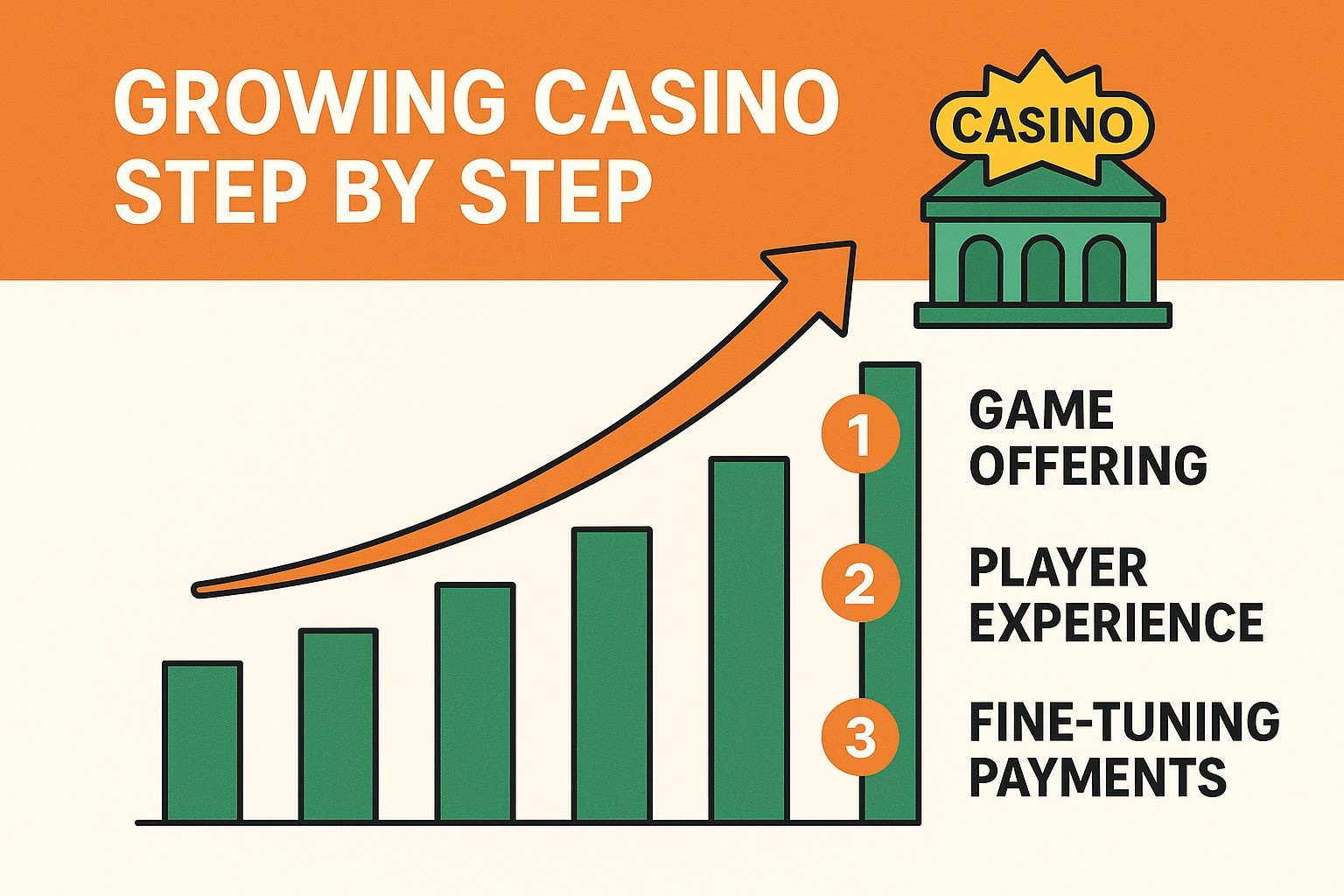
Once your casino is up and running, the focus naturally shifts from launching to scaling. Growth doesn’t happen all at once. It’s a series of small, smart decisions that build on each other. Some operators expand their game catalog. Others look at new markets, new payment systems, or better mobile experiences. There’s no single “right” path, but there are a few areas that almost every successful casino eventually explores.
1. Expanding Your Game Offering
As your audience grows, you’ll start to see what types of games your players prefer. That’s usually the best time to bring in additional providers or special content like crash games, live shows, or high-stakes tables. Fresh titles keep things exciting and give regular players a reason to return.
2. Improving the Player Experience
Live casino streams, app performance, and overall site speed can make a huge difference as traffic increases. Upgrading your infrastructure or improving mobile compatibility often pays off quickly. Even small tweaks to the interface or onboarding flow can lift engagement.
3. Fine-Tuning Payments and Bonuses
As you gather more data, you’ll notice patterns in how players deposit, withdraw, and respond to promotions. Use that information to adjust bonus rules, refine loyalty programs, or add payment methods that match your audience. These upgrades might seem minor, but they tend to have a direct impact on retention.
4. Exploring New Markets
If your license and business model allow it, expanding into additional regions can unlock completely new streams of traffic. Just make sure you’re prepared for the regulatory and cultural differences. The operators who take their time here usually scale much more smoothly than those who try to enter every region at once.
5. Grow with a Plan, Not Just Momentum
The biggest mistake new casinos make is expanding too quickly. Growth should feel steady and controlled, not like a scramble. When you plan your next steps instead of chasing every opportunity, your casino becomes stronger, more stable, and far easier to manage long term.
Final Thoughts
Starting an online casino isn’t easy, and anyone who claims otherwise probably hasn’t done it themselves. But if you approach it with realistic expectations, a bit of patience, and a willingness to get the details right, it’s absolutely possible to build a successful operation.
The operators who last aren’t the ones with the flashiest designs or the biggest budgets. They’re the ones who stay consistent, follow the rules, treat players well, choose reliable partners, and keep improving their platforms over time.
FAQs
1. Do I need a gambling license before I start building my casino?
Technically, you can begin planning and even testing your casino software before getting a license, but you can’t operate or accept real players without one. Most partners, game providers, and payment processors will also require you to have a valid license before they work with you.
2. How long does it usually take to launch an online casino?
If everything moves smoothly, you’re looking at a few months for setup plus the time needed to secure your license. Some jurisdictions approve licenses faster than others. Realistically, many operators expect a timeline somewhere between 3 and 12 months.
3. What’s the biggest mistake new operators make?
They often underestimate two things: compliance and marketing. Getting the license is only the first step. Staying compliant and consistently attracting players is what keeps the business alive. Rushing through either one usually leads to problems later.
4. Can I start with a very small game selection?
Yes, as long as it’s well curated. You don’t need hundreds of games on day one. Most casinos start with a strong set of slots, a few live tables, and some popular classics. You can expand once you learn what your players respond to.
5. Do I need to hire an in-house tech team?
Not necessarily. Many software providers fully manage the technical backend, updates, and maintenance. You may still want someone who understands the basics of iGaming tech, but a large dev team isn’t required unless you’re building a custom platform.
Related Articles

March 17, 2026Los principales eventos de afiliados del...
March 17, 2026Крупнейшие мероприятия в сфере игорного...