 Nothing found for the request


 Gaming software
 Platforms
 Sports betting
 Equipment
 Services
 Traffic
 Payment solutions
 Other products
 Additional Software
How to Start a Bitcoin Casino: A Step by Step Breakdown
Sologe December 8, 2025
Share:


A simple, down to earth guide that walks you through the first steps of launching your own bitcoin casino.
Starting a bitcoin casino sounds exciting, but it’s not something you spin up overnight. You’ll need to deal with licensing, pick the right software, set up reliable payments, and make a lot of decisions you really shouldn’t improvise. The crypto side makes it more interesting, but it also adds extra layers you need to understand first.
The upside is that it’s doable. With decent planning and a clear picture of how crypto casinos work, you can build something stable instead of messy. Players remember fast payouts, clear rules, and sites that don’t make them worry about their money.
In the next sections, we’ll walk through the process step by step, focusing on what actually matters and skipping the noise.
Understanding What a Bitcoin Casino Actually Is
Before you even think about licensing or picking software, it’s worth clarifying what a bitcoin casino is in the first place. A lot of people use the term loosely, but there are different models under that umbrella.
Crypto Casino
This is a regular online casino that supports cryptocurrency deposits and withdrawals. Players sign up with an email, deposit crypto, and play games the same way they would on a fiat casino. The casino holds balances internally, so not every action sits on a blockchain.
Blockchain Casino
This is a step further. These platforms run directly on blockchain rails. Deposits, withdrawals, and sometimes even bets are recorded on-chain. Players can connect a wallet without creating a typical account. Everything is transparent but also more complex to operate.
Dice Sites
These are simple crypto gambling sites focused on a single game, usually a dice roll with provably fair mechanics. They were the earliest form of crypto gambling and still exist, but they’re more niche.
Most new operators choose the first option because it gives the best balance of flexibility, scalability, and player demand.
Why Bitcoin Works So Well for Online Casinos
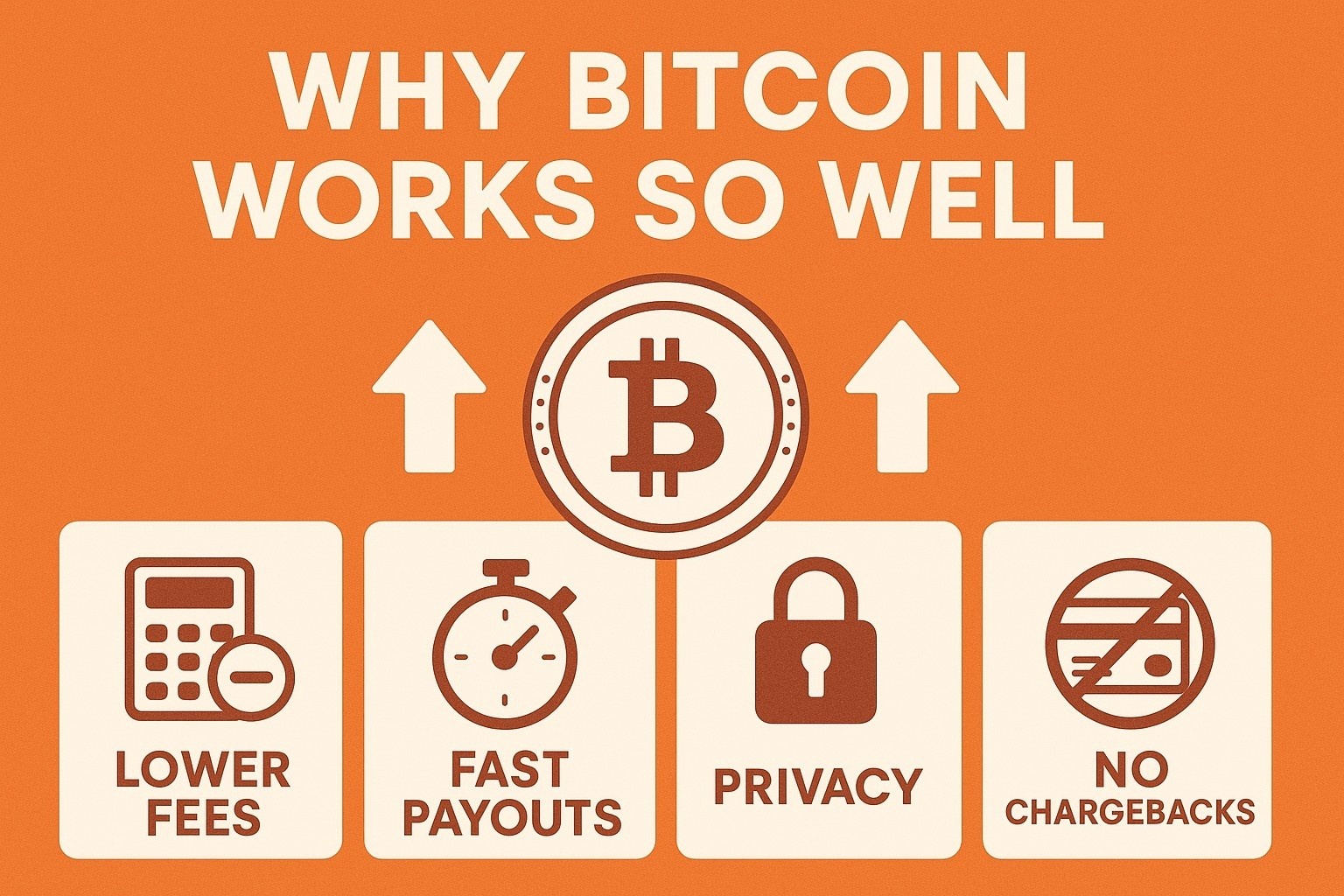
Even though the idea of a bitcoin casino looks modern, the appeal is pretty practical. Crypto solves a handful of problems that online casinos have always had with traditional banking.
- Lower fees: Card processors and ewallets take a big cut in fiat casinos. For high volume casinos, those fees add up fast. Crypto processors usually cost below 1.5 percent per transaction, sometimes less.
- Fast payouts: Anyone familiar with online gambling knows withdrawals can take days. Crypto payouts are almost instant once approved. That alone is a huge selling point to players.
- Privacy: Players don’t want to hand over more personal information than needed. While KYC is still required after certain thresholds, bitcoin casinos generally allow smoother onboarding and less exposure of sensitive payment data.
- No chargebacks: Chargebacks are a nightmare for casino operators. Crypto transactions don’t have chargebacks, which reduces fraud and keeps accounting cleaner.
- Global reach: Crypto makes it easier to accept players from different regions, as long as their country doesn’t restrict gambling. You still have to follow regulations, but you’re not relying on local banks.
These benefits are real, but so are the challenges, especially volatility, compliance, and licensing. So let’s break down how to build a bitcoin casino step by step.
Step 1: Get Clear on Your Market and Business Strategy
You can’t skip this part. A bitcoin casino without a plan burns money faster than you’d think. Crypto gambling attracts a very specific audience, and looking at it through the lens of traditional casinos can mislead you.
Here are the key things to figure out early.
Who You’re Targeting
Crypto players are younger, more tech savvy, and generally not beginners. They know how wallets work, they understand volatility, and they expect fast payments and transparent rules.
What Makes Your Casino Different
There are hundreds of bitcoin casinos already. Some rely on bonuses, others on fast payouts, exclusive games, or community features. Decide what your edge is and build around it.
What Games You’ll Offer
Not every game provider supports crypto. This matters more than it seems. Some audiences want high quality slots, others want instant games, live casino, or provably fair mechanics. Match your content to your audience.
How Much You’re Willing To Invest
Crypto user acquisition is not cheap. You’re targeting a niche group that already knows the market. Budgeting poorly in the early stages is the quickest way to stall the project.
Your business plan should cover licensing, software, marketing, staffing, compliance, and payment infrastructure. You don’t have to overcomplicate it, but you do need to be realistic.
Step 2: Choose the Right Gambling License
Your license sets the tone for your entire business. It affects everything from marketing to banking to game providers. And yes, you absolutely need one, even if you’re crypto only.
Here are the three broad categories.
1. Strict Local Licenses
Countries like the UK, Germany, Sweden, Japan, and most US states require local licensing. These are expensive, take months to obtain, and have heavy compliance requirements. They give you credibility but also restrict you heavily.
2. International Licenses
These are the most common for bitcoin casinos. The top choices include:
- Curacao
- Anjouan (Comoros)
- Other emerging/new options like Tobique
- Some Panama structures
These jurisdictions allow crypto gambling by default, have lower fees, and faster processing times. They are widely used by international operators and accepted by major software providers.
3. Unregulated Structures
For example, Costa Rica. These do not issue real gambling licenses. You can launch under a corporate structure, but many providers and payment partners will not work with you. It looks cheap but becomes a headache later.
If you want to launch quickly and serve international audiences, Curacao or Anjouan is usually the most practical route.
Step 3: Select a Bitcoin Casino Software Provider
This is one of the biggest choices you’ll make because your software ultimately controls everything players interact with and everything your team manages behind the scenes. A solid bitcoin casino platform should handle crypto deposits and withdrawals without glitches, manage hot and cold wallets, support stablecoins, and offer smooth crypto to fiat conversion inside games that don’t accept digital currencies directly. It also needs access to thousands of games, built in AML tools, solid reporting, and the ability to stay stable when traffic spikes.
Most operators end up picking a proven iGaming platform instead of building one from scratch. Custom development is doable, but it’s slow, pricey, and usually only makes sense for large teams that already know this space well.
You’ll also need a reliable wallet processor. Think of services like CoinsPaid, Mercuryo, Coingate, or Utorg. They handle your deposit addresses, confirmations, API connections, fraud checks, and they usually keep most funds in cold storage for safety. Without a proper processor, the entire cashier flow becomes unpredictable, so choose this part carefully.
Step 4: Build the Game Portfolio
Players choose casinos based on their games far more than many new operators expect. Your game selection should match your audience and support crypto.
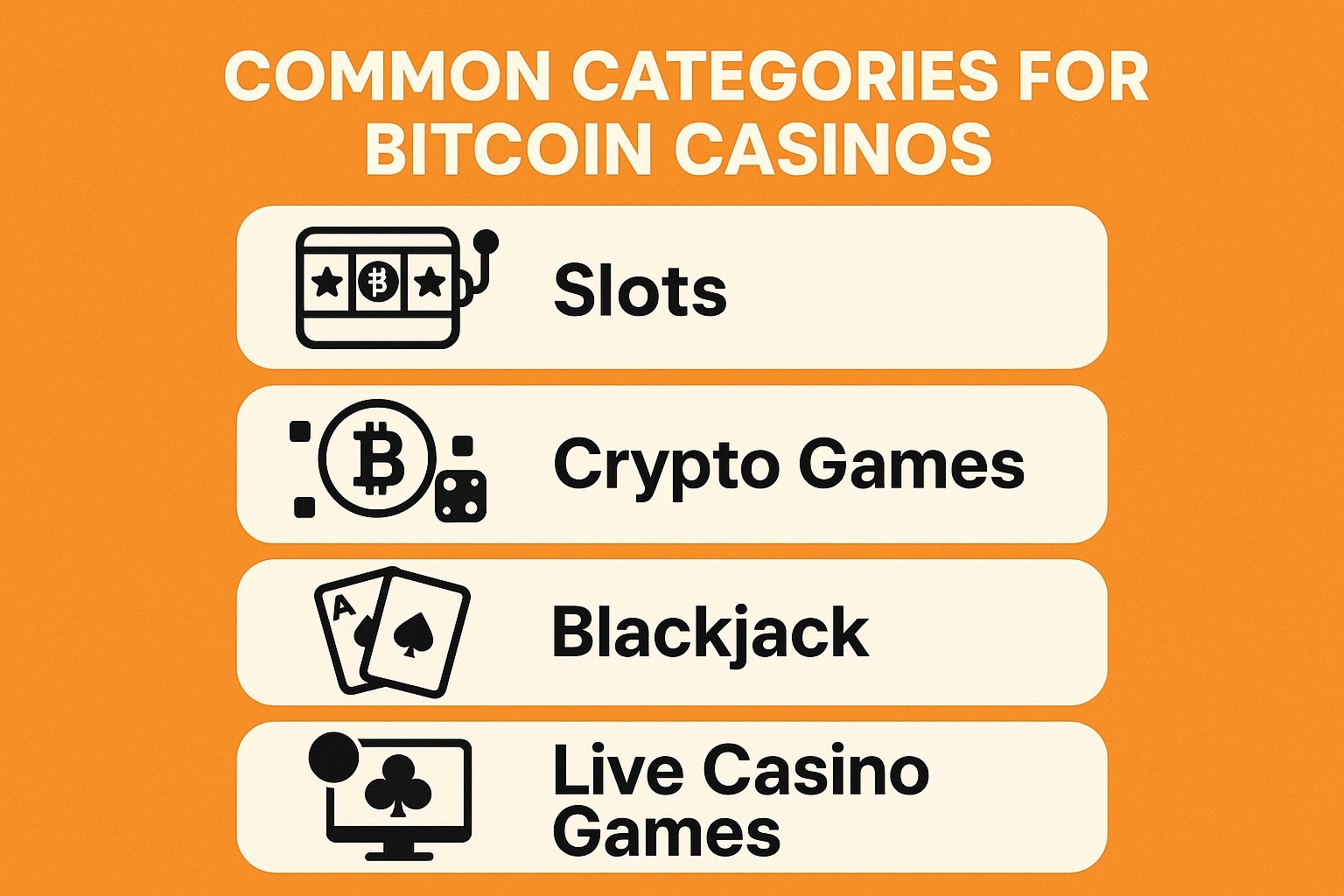
Common categories for bitcoin casinos:
- Slots
- Instant crypto games (Plinko, Crash, Dice, Mines)
- Blackjack and roulette
- Live casino games
- Provably fair games
- Branded crypto titles
Some popular crypto friendly providers include BGaming, Platipus, Evolution, Betsoft, and many others.
One important detail: if a game doesn’t natively support crypto, your platform should automatically handle currency conversion in the background. Good software does this for you.
Step 5: Design a Crypto-Friendly User Experience
Crypto players expect a certain level of clarity and speed. They want a platform that gets out of the way and lets them play without digging through clutter or guessing where things are. Younger users, in particular, bail quickly if the layout feels slow or outdated.
A smooth bitcoin casino UX usually keeps onboarding simple, keeps KYC short, shows payout times clearly, and makes the cashier experience straightforward. The design should work flawlessly on mobile and highlight the games that crypto players gravitate toward.
Your site doesn’t need flashing neon or anything futuristic. It just needs to feel trustworthy, quick, and well put together.
Step 6: Integrate Crypto Payments Properly
Your payment system is the heart of your bitcoin casino. If deposits fail or withdrawals lag, players won’t stick around. A proper setup should cover the main coins players expect, along with at least one cheaper option for fast, low cost transfers. You’ll also need a hot wallet for quick payouts, a cold wallet where most funds stay protected, and a clear approval process for treasury movements. On top of that, blockchain monitoring is essential for spotting suspicious activity, and many operators convert part of their balance into stablecoins each day to keep volatility under control.
How Deposits Work for Players
- They choose a coin.
- The system generates a new wallet address for them.
- They send the amount from their crypto wallet.
- Once confirmed, the funds appear in their casino balance.
How Withdrawals Work
- Player enters their wallet address.
- The system checks AML risk and KYC status.
- A payout manager or automated system approves it.
- The transaction is broadcast to the blockchain.
Crypto casinos live or die based on payment performance, so get this part right.
Step 7: Prepare for Crypto Volatility
Bitcoin never sits still. Prices rise and fall all the time, and while those swings don’t directly change a player’s in-casino balance, they do influence your financial picture behind the scenes. To keep things steady, most operators convert part of their holdings into stablecoins like USDT or USDC, simply because it smooths out the ups and downs. It also helps to base limits and bonuses on their fiat value so that players aren’t suddenly betting far more or far less than intended after a market jump.
During extreme market swings, some casinos temporarily adjust their promos or tighten risk controls to avoid unnecessary losses. It also doesn’t hurt to educate players a bit, especially newer ones, about how volatility works and why certain safeguards exist. Finally, keep an eye on blockchain congestion. When the network gets overloaded, fees spike and transactions slow down, which can affect deposits and withdrawals. Operators who treat volatility as an afterthought often learn the hard way, so it’s better to prepare for these things early on.
Step 8: Build a Marketing Strategy Designed for Crypto Players
Marketing a bitcoin casino is not the same as promoting a regular casino. Crypto users behave differently, prefer different channels, and are generally more skeptical.
What Works
Crypto focused affiliates tend to bring the strongest results because they already speak the language of this audience. Communities on Telegram and Discord are also useful, especially if you participate instead of just dropping links. Influencer partnerships can work too, but only when the creator is actually respected in the crypto space. Content marketing helps as well, especially simple explainers about deposits, withdrawals, stablecoins, and fees. Targeted SEO and placements on review sites round out the mix, especially if you highlight fast payouts and clear terms.
What Rarely Works
Traditional casino affiliates and bonus hunters usually don’t convert well for crypto operations. They want large bonuses, not blockchain payments or instant withdrawals. Regular paid ads also have heavy restrictions, and generic social ads almost never reach the right audience.
Crypto players respond to brands that act like real operators: fast cashouts, honest communication, and solid security. Flashy banners or vague promises won’t get you far in this market.
Step 9: Set Up Customer Support and Risk Management
Customer support might not sound exciting when you’re planning a bitcoin casino, but it’s one of the things players judge the fastest. If someone’s withdrawal is stuck or their transaction hasn’t confirmed yet, they want a real answer quickly, not a canned reply. Good support can turn frustrated users into loyal ones, while poor support does the exact opposite.
Your team has to be comfortable with the usual casino questions, but also the crypto related stuff that can confuse new players. Things like confirmation delays, wrong wallet formats, or payouts that need a second check. Clear communication goes a long way here, especially when money is involved.
Risk management sits right next to support. Crypto casinos deal with patterns that can be very different from traditional casinos, and ignoring them is risky. You need tools and people who can spot unusual activity and react before it becomes a bigger problem.
You’ll need to cover tasks like: wallet errors, delayed confirmations, KYC checks, payout approvals, account recovery, bonus issues, suspicious deposits, multi account behavior, attempted laundering, and rapid deposit withdrawal cycles.
Most good platforms already include risk dashboards, alerts, and basic automation, but someone still has to watch the data and act when something looks off. A casino that gets this part right avoids headaches, keeps regulators happy, and earns more trust from players.
Step 10: Keep Your Casino Compliant and Secure
Running a bitcoin casino doesn’t mean you can skip rules. If anything, crypto puts more eyes on your operation, so staying compliant and keeping the platform secure is part of the daily routine, not something you deal with once a year.
What Compliance Actually Means in Practice
Every licensed casino comes with responsibilities, and crypto casinos are no exception. You still need proper KYC steps, limits that support responsible gaming, and clean records you can show to your regulator without stress. None of this is exciting to deal with, but it’s the part that keeps your casino legitimate and prevents headaches during audits.
In practice, compliance means verifying a player’s identity once they cross certain deposit or withdrawal thresholds, checking the source of funds on larger transactions, and giving players the option to set limits or exclude themselves if needed. Your game content also has to be certified for fairness, and all player data should be stored securely and handled according to the rules of your jurisdiction. Regulators will expect routine reports, so it helps to treat record keeping as something you do continuously, not only when an audit is coming.
It may not feel glamorous, but this is the foundation that keeps your casino running safely and without unnecessary trouble.
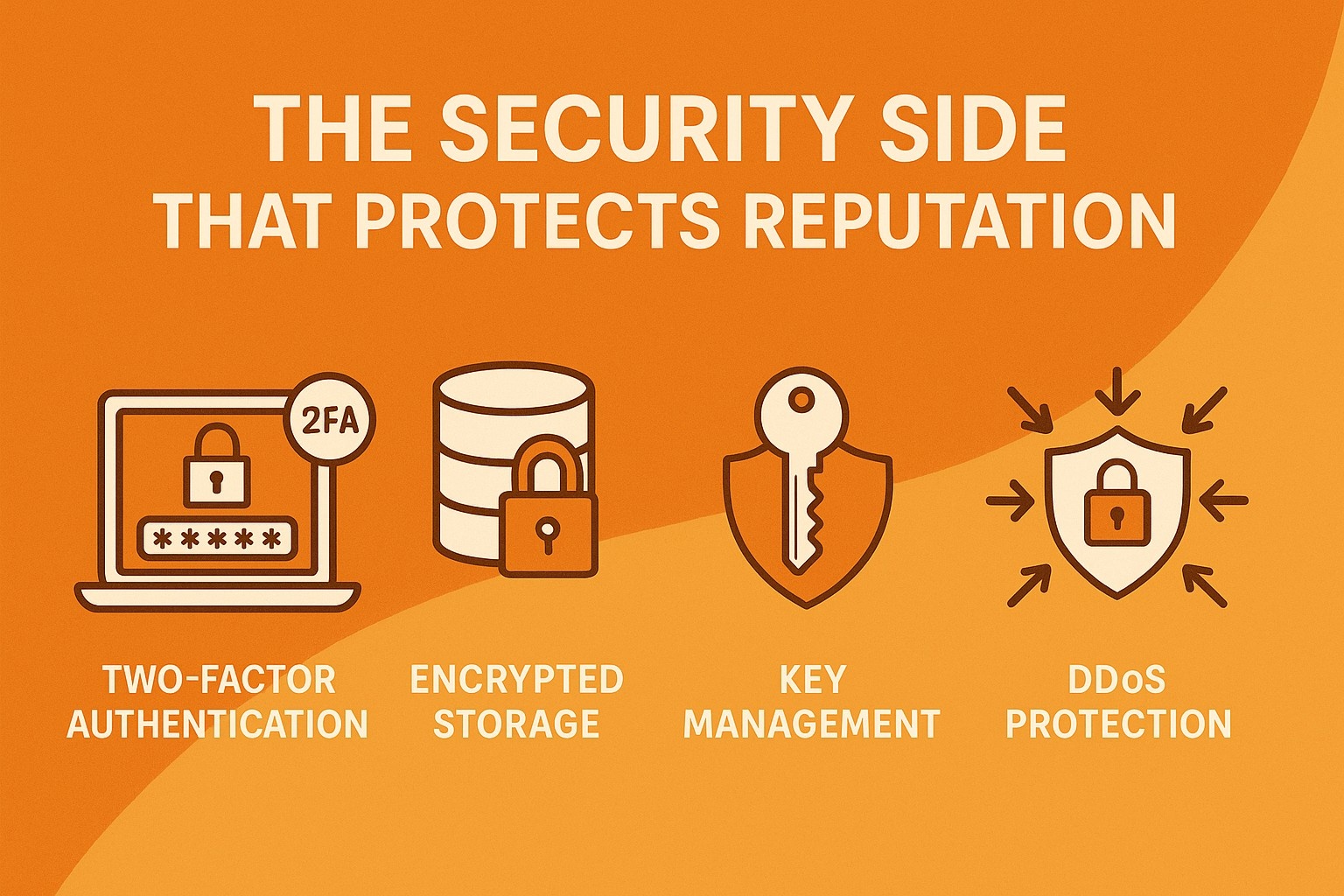
The Security Side That Protects Your Reputation
Security failures get shared fast in this industry, and once your name is attached to a leak, it’s almost impossible to shake off. A solid security stack protects both your players and your brand.
A reliable setup usually includes:
- Two factor authentication for players and staff
- Encrypted storage for sensitive data
- Proper key management for crypto wallets
- DDoS protection that can handle spikes
- Regular penetration testing
- Blockchain monitoring to catch suspicious activity
Think of security as the invisible layer your players never see but always rely on. If it fails once, people remember it forever.
Final Checks Before You Launch
Before you hit the launch button, it’s worth slowing down and doing a final sweep of the whole project. This is where a lot of operators catch small issues that would have turned into big headaches later. Go through your setup as if you were a new player arriving on the site for the first time. Try the registration flow, deposit a small amount, test the games, request a withdrawal, and see how long it takes to hear back from support. You’ll learn more from this simple test than from any checklist.
Study your competition again too. The crypto casino space changes fast, and a promotion that worked two months ago may be irrelevant today. Check your payout speeds, bonus rules, and cashier design against what the strongest brands are doing. If something feels outdated or unclear, fix it now rather than after players start complaining.
Most importantly, make sure the whole operation feels stable and predictable. Crypto players notice smooth systems, and they also notice when something feels off. A polished cashier, clear communication, and fast responses build trust faster than any marketing slogan.
Once everything looks good from both the technical and the player side, you’ll be in a strong position to open your bitcoin casino with confidence instead of crossing your fingers. This last bit of preparation is often the difference between a shaky launch and a clean, professional one.
Final Thoughts: Is Starting a Bitcoin Casino Worth It?
A bitcoin casino can be a very strong business if you approach it with the right balance of ambition and patience. Crypto gives operators access to faster payments, broader reach, and lower fees. But it also demands proper licensing, responsible compliance, and a stable technical foundation.
If you plan carefully, choose reliable partners, and build an experience players can trust, then yes, the bitcoin casino model can work extremely well. But treat it like a long term project, not a weekend build, and it has the potential to grow into something substantial.
FAQ
How much does it cost to launch a bitcoin casino?
Costs vary a lot depending on the license, software, and how custom you want the platform to be. A basic setup with a reputable license and ready made software usually starts around the low six figures. Fully custom builds or multi license setups can push much higher.
Do I need a gambling license if I only accept crypto?
Yes, in almost every case. Crypto doesn’t replace regulation. You still need a license that allows online gambling and explicitly permits cryptocurrency deposits. Curacao and Anjouan are common starting points because they move faster and cost less.
How long does it take to launch a bitcoin casino?
If you go with a turnkey or white label solution, you can be online in one to three months. If you apply for a license yourself and build a platform with custom features, the timeline can stretch to six months or longer.
Which cryptocurrencies should my casino support first?
Most operators start with BTC, ETH, and USDT because players already use them. Adding a low fee option like LTC, TRX, or XRP helps with fast, cheap transactions, which players appreciate.
Can I run a bitcoin casino without coding?
Yes. Many established iGaming providers offer crypto ready platforms with full back office systems, game integrations, payment gateways, and risk tools. If you’re not technical, this is usually the safer choice.
Related Articles

March 17, 2026Los principales eventos de afiliados del...
March 17, 2026Крупнейшие мероприятия в сфере игорного...