 Nothing found for the request


 Gaming software
 Platforms
 Sports betting
 Equipment
 Services
 Traffic
 Payment solutions
 Other products
 Additional Software
How Much Does It Cost to Start a Casino in Today’s Market?
Sologe December 8, 2025
Share:


A clear, practical breakdown of the real costs behind starting a casino, from licensing to staff, equipment, and long-term expenses.
Starting a casino sounds like a bold move, and honestly, it is. Whether you’re thinking about a physical venue or something online, the price tag surprises most people. It’s not just about buying slot machines or renting a nice space. You’re dealing with licensing, legal work, technology, staff salaries, security, and a long list of monthly expenses that don’t go away once the doors open.
The point of this guide is to break everything down in a way that feels realistic instead of overwhelming. You’ll see where most of the money goes, what varies by location and market, and why some casinos cost a few hundred thousand to launch while others run into the billions. It’s a big project, but once you understand the pieces, the whole picture makes a lot more sense.
Land-Based or Online: Two Very Different Price Tags
Before diving into the details, it helps to separate the two main business models. A land-based casino feels glamorous on the surface, but it also carries the highest barrier to entry. Online casinos, on the other hand, are easier to start and much cheaper, though the competition is fierce and the regulatory side isn’t as simple as some people assume.
A land-based casino often requires real estate, construction, staffing, security systems, and ongoing operations that resemble the costs of running a small city. Online casinos avoid many of those issues, but they pick up their own challenges: licensing in multiple jurisdictions, expensive software, game partnerships, payment systems, and constant marketing to stay visible.
Both can be profitable. The path to get there looks very different.
The Cost of Launching a Land-Based Casino
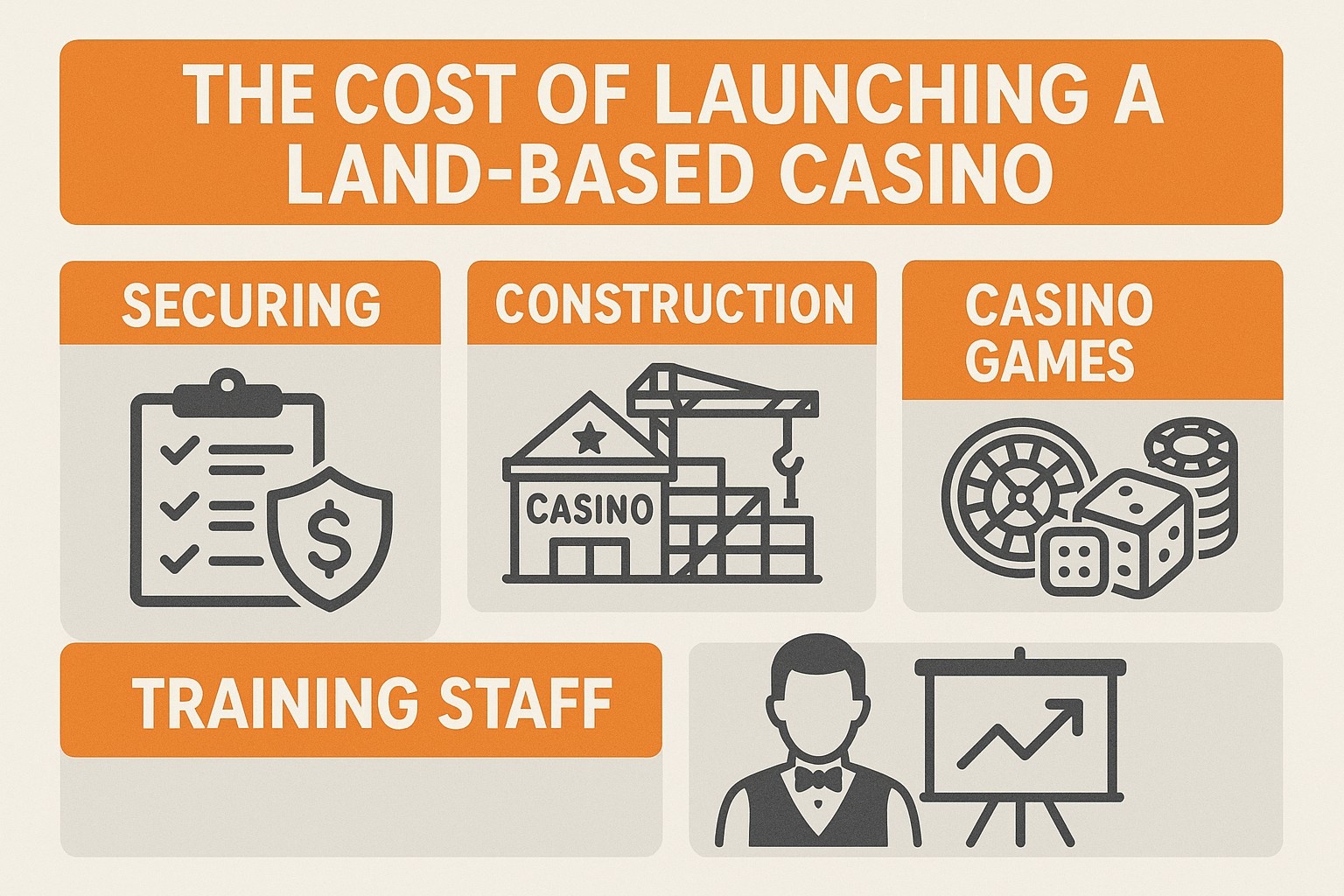
If you’re imagining a physical casino with slot floors, table games, restaurants, and hotel rooms, be prepared for deep investment. Even modest local casinos can cost millions to get off the ground. The biggest operators in the world routinely spend more on a renovation than some businesses spend on a full building.
Securing the Property
Location is everything in the casino world. Prime areas where casinos are legal come with steep price tags, especially in markets like Las Vegas, Macau, or major US cities. Land scarcity drives prices up, and even secondary markets can require several million dollars just to secure the site.
Buying an existing casino doesn’t always save money either. Many operators end up spending the same amount again on renovations, especially if the building is outdated or not optimized for modern gaming layouts.
Construction and Infrastructure
Once the land is handled, construction becomes the next mountain. Casinos are complex structures. They need large open gaming floors, hotel rooms, restaurants, bars, entertainment spaces, and extensive back-of-house facilities.
Major casinos worldwide show how wide the investment range can be. Wynn Las Vegas cost $2.7 billion, while smaller regional casinos still run into eight figures. Even without resort-level ambitions, the structure itself is expensive because casinos must meet strict building, fire, ventilation, and security codes. HVAC systems alone are a significant investment because they must manage large crowds, smoke, and heat from thousands of machines operating around the clock.
Casino Games and Equipment
The games themselves aren’t cheap either. While the prices vary slightly across manufacturers, the ballpark figures for common games look like this:
- Slot machines: $15,000 to $25,000 each
- Roulette tables: $2,500 to $8,000
- Blackjack tables: $4,000 to $15,000
- Poker tables: $1,000 to $5,000 depending on the setup
- Video poker: a few hundred to several thousand dollars
With casinos often dedicating up to 70 percent of floor space to slots alone, the equipment budget racks up fast.
Hiring and Training Staff
Casinos rely heavily on people. Dealers, security guards, pit managers, cage staff, bartenders, cleaners, surveillance operators, hotel staff, and restaurant employees are all part of the daily operation. Salaries vary depending on location, but even a small casino needs a full team long before opening day. Once payroll begins, it never stops.
Licensing, Regulations, and Taxes
This is where costs become unpredictable. Every region has its own licensing requirements, and some charge far more than others. A downstate license in certain US regions can cost hundreds of millions, while European Union markets impose high application and renewal fees. Approval also involves background checks, financial audits, fairness testing, and compliance reviews that take months.
Beyond the license, taxes on casino revenue can be substantial. States like Pennsylvania, Rhode Island, and Delaware take large percentages of slot revenue, and these fees must be built into long-term planning.
Daily Operating Costs
Even after the casino opens, the expenses are constant. Power bills can hit hundreds of thousands of dollars a month. Water consumption is enormous when a hotel is involved. Security teams have to operate 24 hours a day. Entertainment venues, restaurants, and bars require constant inventory and staffing. And maintenance never stops because machines, lighting, and building systems take a lot of wear.
Running a land-based casino is not just about the initial cost; it’s the ongoing commitment that determines whether the business thrives or struggles.
The Cost of Building an Online Casino
Online casinos don’t need buildings or hotel towers, but they still require a serious budget. The range usually falls between $200,000 and $1.2 million at launch, depending on licensing choices, software complexity, and marketing expectations.
Licensing and Legal Setup
Every legitimate online casino needs a gaming license. Costs depend entirely on the jurisdiction:
- Curacao: $20,000 to $60,000
- Anjouan: $20,000 to $40,000
- Kahnawake: $35,000 application fee + annual fees
- Malta (MGA): €100,000+ (including share capital and fees)
- Isle of Man: £35,000+
These fees cover application, annual renewals, and required compliance contributions. Malta and Isle of Man are more reputable but cost more.
Software, Platform, and Game Providers
This is the heart of an online casino. You can either license a ready-made platform or build one from scratch.
A white-label solution might cost $30,000 to $80,000, while a custom platform developed from the ground up can run into hundreds of thousands or even millions. Most new operators choose turnkey solutions because they allow a faster launch and include many core features.
Game providers charge for access to their portfolios. Integrating popular titles from Evolution, Pragmatic Play, or other developers can require upfront fees, minimum monthly guarantees, or revenue share agreements. The more variety you want, the higher the investment.
Payment Systems and Banking Requirements
Deposit and withdrawal systems are critical. Online casinos are considered high-risk businesses, so payment processing is more expensive than in ordinary e-commerce. Setup fees, monthly charges, and transaction fees all add up. Many processors also require financial reserves, sometimes $50,000 or more, to cover chargebacks and large withdrawal requests.
KYC and AML tools are another necessary expense. Verification systems help prevent fraud, but they also require subscription fees and integration work.
Website Design and User Experience
A casino site needs to feel smooth, fast, and intuitive. A basic design might cost under $10,000, while a more polished, branded interface can reach $50,000 or more. Mobile optimization is essential because a large portion of players use their phones as their main device.
The design budget also includes ongoing maintenance. Online casinos must fix bugs, update content, and adapt to new regulations or device standards.
Security, Hosting, and Data Protection
Servers must be stable enough to handle large traffic spikes and secure enough to protect user information. Hosting can range from a few thousand dollars a year to substantially more if you’re running a high traffic site with extensive game libraries. DDoS protection, SSL certificates, fraud detection systems, and regular security audits all become recurring expenses.
Marketing and Player Acquisition
This is the cost that separates successful casinos from those that disappear quickly. In the online gambling industry, visibility is everything. Competitors spend heavily on search optimization, advertising, bonuses, and influencer campaigns, so a new casino must enter the market with a solid plan.
Many operators use affiliate programs, paying a percentage of player revenue to marketers who drive traffic. Others invest in paid ads, content marketing, and partnerships. The numbers vary, but a realistic launch budget often sets aside tens of thousands per month for marketing alone.
Building a Team
Even if the casino uses automated systems, humans still manage support, compliance, marketing, and strategic decisions. Smaller teams might cost around $150,000 per year, while more ambitious projects may require double or triple that amount.
Hidden and Often Overlooked Costs
When budgeting for a casino, several expenses tend to catch first time operators off guard. Compliance updates, renewal fees, legal consultations, unexpected upgrades in software or hosting, and reserve requirements for payment processors are all common surprise costs. Marketing also tends to be underestimated because competition forces casinos to spend more than they initially planned.
These additional expenses don’t always show up in launch estimates, but they inevitably arrive once the casino is active.
When Does a Casino Become Profitable?
Profitability depends on scale, marketing, and location. For land-based casinos, it can take several years due to construction and operational costs. Online casinos often reach break-even faster if they manage marketing efficiently and build strong retention.
A conservative timeline for an online casino is around one year, although some operators achieve profitability sooner. Premium markets with heavy regulations tend to take longer but offer more stability once established.
So How Much Does It Cost to Start a Casino Today?
If we boil it down:
Land-Based Casinos
- Small: $5 million+
- Medium: $20 million+
- Large or resort-level: $500 million to $4 billion
Online Casinos
- Lean launch: $200,000 to $500,000
- Professional mid tier: $650,000 to $1.2 million
- Premium custom platform: $1.5 million+
There’s no single number because every casino is a different combination of technology, location, legal structure, and ambition. The more competitive the market, the more you need to invest upfront.
Common Mistakes New Casino Operators Make
Even with a solid budget and a clear plan, first time casino owners often run into issues that cost more money than expected. These problems don’t always come from big financial decisions. Sometimes it’s the small habits and assumptions early on that derail progress.
One major mistake is underestimating licensing timelines. Some jurisdictions review applications quickly, while others take several months of back and forth. Another common assumption is that once the casino launches, the heavy spending is over. In reality, both land-based and online casinos deal with ongoing recurring costs that scale as your player base grows.
A few of the most common pitfalls include:
- Budgeting only for launch and ignoring long-term marketing needs
- Choosing the cheapest license without checking market access restrictions
- Selecting software by price rather than reliability or future scalability
- Skipping responsible gambling tools, which regulators now view as mandatory
- Building before researching taxes and regulations in your target market
Many of these issues appear months after launch, not during planning. Being aware of them early helps prevent expensive fixes later.
Final Thoughts
Starting a casino is not a casual project. Whether on land or online, the financial commitment is significant and the regulatory landscape is strict. But casinos also have the potential for high revenue, especially in markets with steady demand and strong tourism or online traffic.
The key to success is a realistic budget. Land-based casinos require millions just to begin construction. Online casinos require hundreds of thousands for licensing, software, and marketing. Knowing these numbers ahead of time helps you move with intention instead of guessing your way through one of the most competitive industries in the world.
FAQ
How much money do I realistically need to start a casino?
It depends on the type of casino. A land-based casino usually requires several million dollars at minimum, and large resort-style projects can go into the billions. Online casinos are far more affordable, typically starting around $200,000 and going up to $1.2 million depending on licensing, software, and marketing plans.
Is starting an online casino easier than opening a physical one?
In most cases, yes. Online casinos avoid construction costs, property expenses, and massive staffing needs. But they still require proper licensing, secure payment systems, and a strong marketing strategy. The regulatory side also varies by jurisdiction, so “easier” doesn’t mean “simple.”
Which licensing jurisdictions are the cheapest for online casinos?
Regions like Curacao and Anjouan tend to offer the lowest entry cost, often starting around $20,000 to $40,000. More reputable jurisdictions, such as Malta or the Isle of Man, cost significantly more but give you better access to regulated markets.
How long does it take to get a casino license?
Timing varies. Some jurisdictions can issue a license within a few weeks, while others require months of background checks, financial audits, and compliance reviews. Expect the process to take anywhere from one month to half a year.
What are the biggest ongoing costs after a casino launches?
For land-based casinos, utilities, staffing, and security dominate the ongoing expenses. Online casinos spend most of their monthly budget on marketing, payment processing, platform maintenance, and customer support. Both models also have ongoing compliance and renewal fees.
Related Articles

March 17, 2026Los principales eventos de afiliados del...
March 17, 2026Крупнейшие мероприятия в сфере игорного...